
An underappreciated classic
Eau d'Orange Verte (Hermès)

The current Eau d’Orange Verte from Hermès in the eau de cologne offering started out in 1979 as a cologne which was formulated by Françoise Caron, then working for Roure, which would later be subsumed by Givaudan. According to Caron herself, the brief from Hermès specifically sought a deliberately fleeting cologne that would energise and put you in a good mood at the start of the day. It is rare today to be given a brief seeking a lack of longevity, but such fragrances have their place, serving their brief purpose and liberating us thereafter. As a perfumer, I am especially fond of such formulations and in particular, this underappreciated classic.
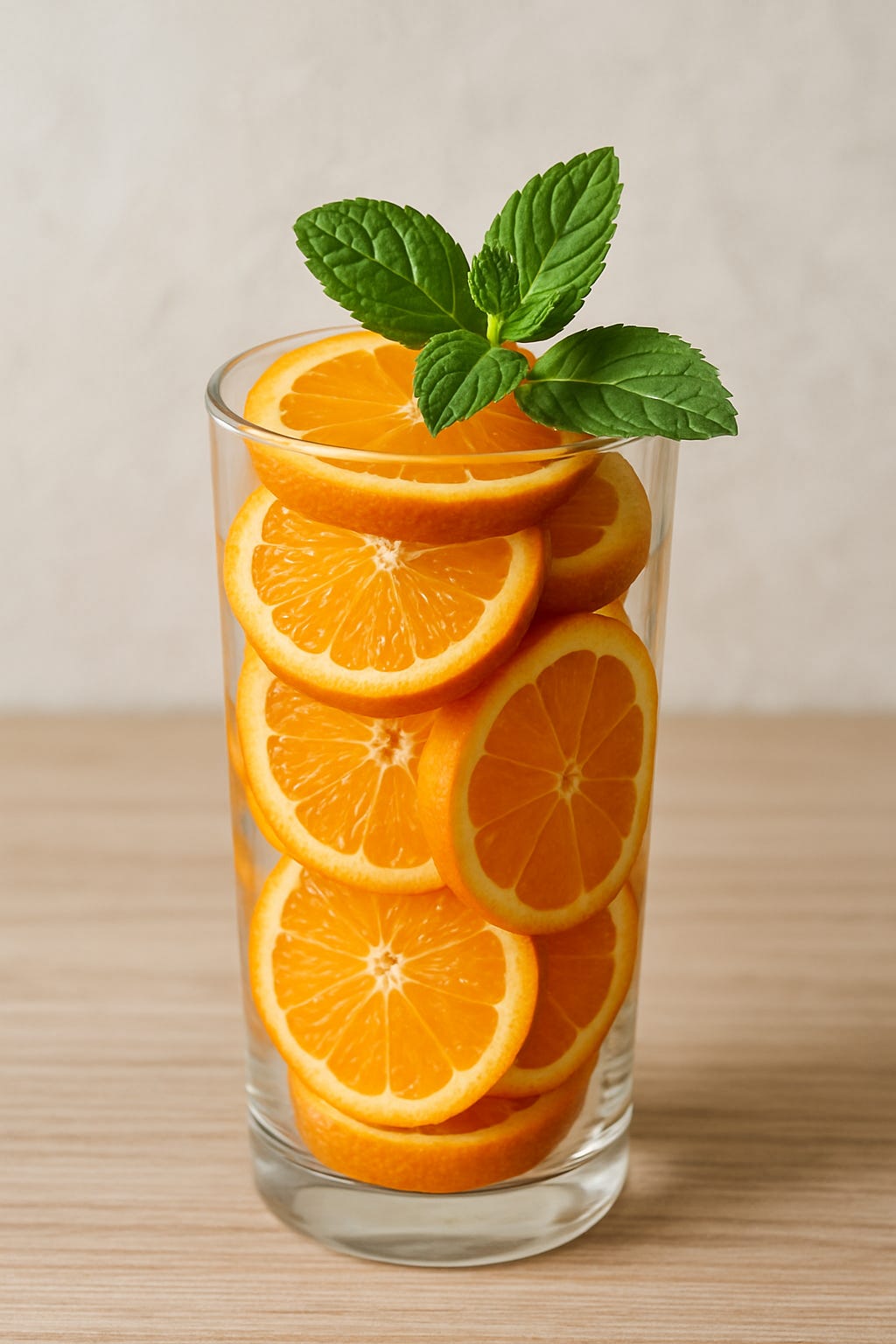
The signature is put together from a few common materials: spearmint oil, bitter orange oil, citral, lemon oil, neroli oil and patchouli oil. There are plenty of other ingredients that work around these. Petitgrain oil working with the neroli, peppermint in lower proportion to the spearmint and green notes like cis-3-hexenol and Triplal. Bergamot naturally joins the oher citruses, and you find methyl ionone as part of the base accord with patchouli, along with cedarwood. However, these are supplementary, in the sense the above is enough to evoke Eau d’Orange Verte. As such, it is a rather rich citrus cologne with a vertical refreshing effect from mint.
Despite its lack of ‘performance’ it remains the bestseller among the Hermès colognes and its ancillary products the bestsellers in that category overall. Its simple signature in combination with great naturality as is the case with a classical eau de cologne still renders it a favourite among consumers.
Part of the beauty of this fragrance comes from what Caron chose not to use. Nowadays, many modern citrus fragrances are very musk heavy or in the case of for example Louis Vuitton fragrances, very high in ambrox, which while a beautiful product, gives a different character and a top note impact that modifies citrus notes. Lily of the valley odorants may also be used to give a feeling of freshness, like in CK One, or watery products like Calone 1951 as in Acqua di Gio.
Even the concentrée offering of the fragrance is an inferior rendition, but the more ‘concentrated’ character comes from an inappropriately high use of coumarin, absent in the original, which you perceive seconds into the evaporation. While it gives a denser feeling and a more substantive creamier dry down with the woods, it is not as bracingly fresh as the original and pierces through the citruses. It has two touches though that make you unsurprised it was Jean Guichard that made it: ambrette and angelica root oil.
Ambrette is a no-brainer, working very well with the methyl ionone (due to its powdery orris side in addition to the yeasty musky notes) and exalting the fragrance with true ambrettolide. But angelica root — in addition to the Exaltolide musk it provides — helps to give impact to citrus notes at the top, in trace (<0.1%). A trace of methyl anthranilate is also included which can be useful to give a sense of citrus in the dry down. This is because orange flower naturally smells of methyl anthranilate (among other things), and the methyl anthranilate will react with the traces of aldehydes in the citrus oils.
I would strongly encourage revisiting this classic cologne, or smelling it for the first time, as it still surpasses most offerings on the market.
Eau d'Orange Verte has always been a favorite of mine. The lotion is great, too. Thank you for highlighting this gem.
Thanks for this. Will try!